Drew Lorenz · 2 September 2026
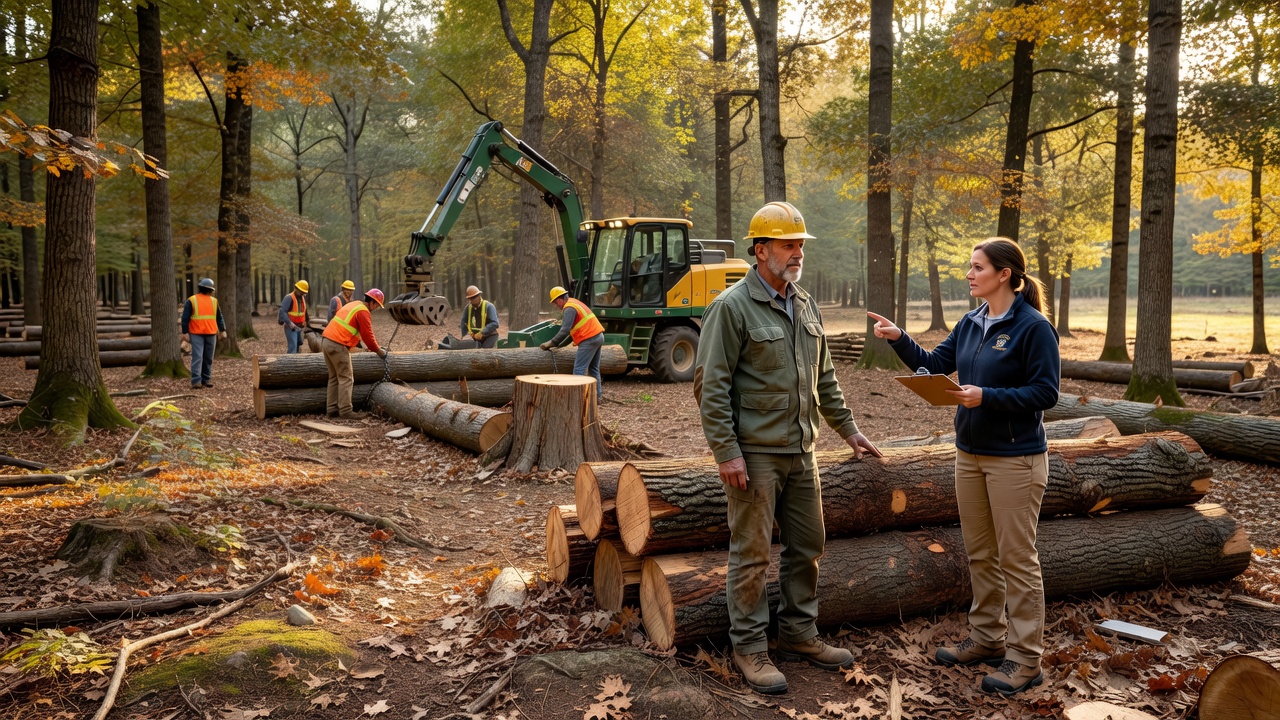
A new state grant program is providing private woodlot owners with funding to adopt sustainable harvesting practices that protect forest health while supporting local economies. The initiative targets non-industrial private forests, which make up the majority of wooded land in many regions, and aims to increase the area under active, science-based management.
Grant Details and Eligibility
Landowners can apply for cost-share assistance covering up to 75 percent of expenses for approved activities including timber stand improvement, invasive species control, and installation of best-management practices for erosion control. Eligible parcels must be at least 10 acres and have a current forest management plan prepared by a certified forester. Applications are reviewed on a rolling basis with priority given to projects that enhance wildlife habitat or improve water quality in watersheds.
Program administrators report strong early interest, with more than 120 applications received in the first month. Average award amounts range from $4,000 to $18,000 per property. Funds may also support professional training for owners and hiring of qualified logging crews that follow sustainable protocols such as directional felling and retention of legacy trees.
Impact on Sustainable Forestry Practices
By reducing financial barriers, the grant is expected to bring an additional 8,000 acres under sustainable management within three years. This expansion supports carbon sequestration goals and helps maintain biodiversity in mixed hardwood and conifer stands. Participating owners receive follow-up technical assistance to monitor regeneration and adjust harvest schedules based on growth data.
Early participants note improved forest conditions and new income from selective timber sales conducted under the program guidelines. State forestry officials emphasize that the effort complements existing voluntary programs and does not impose new regulations on private land. Long-term success will depend on continued outreach and the availability of trained professionals to implement plans across diverse woodlot sizes and ownership types.