Sage Fischer · 2 September 2026
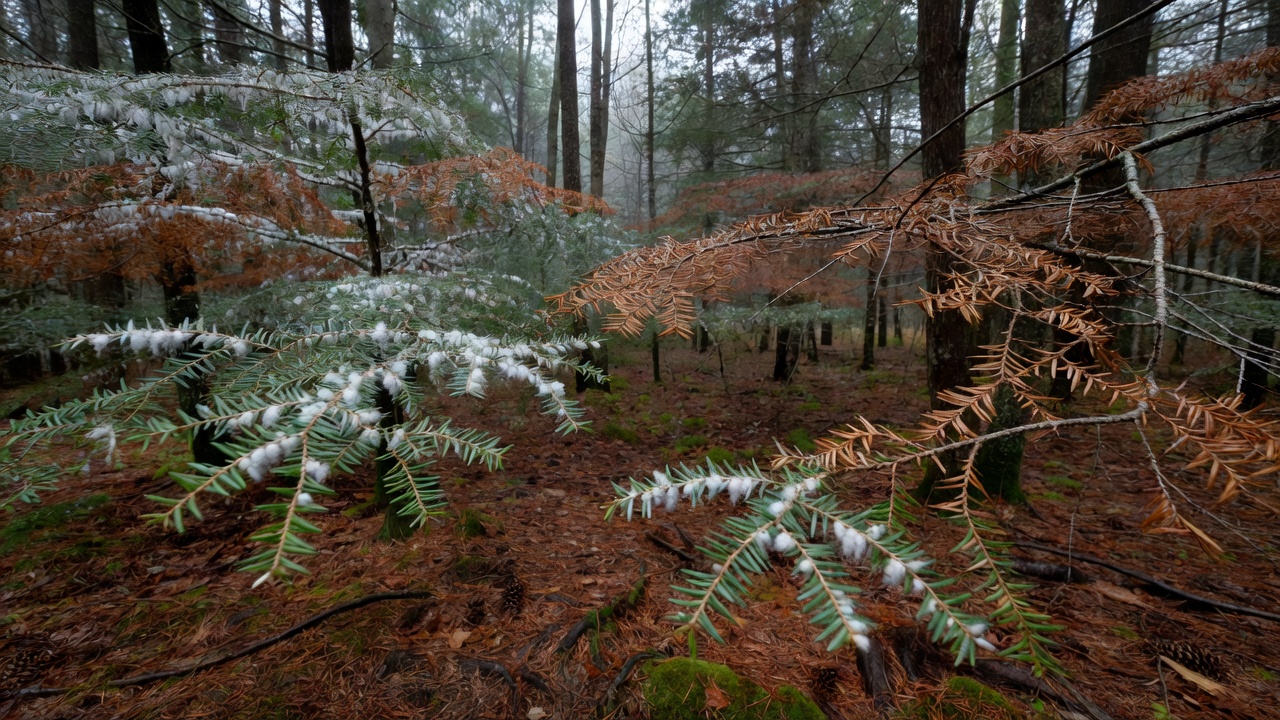
The hemlock woolly adelgid continues its northward expansion, infesting hemlock stands across the northern United States and southern Canada. This tiny invasive insect feeds on tree sap, weakening and eventually killing eastern hemlocks that form critical components of many woodlots. Landowners report rapid defoliation and tree mortality in previously unaffected areas, threatening both timber values and ecological stability.
Effects on Woodlot Ecosystems
Hemlocks provide year-round shade that moderates stream temperatures and supports unique understory plants and wildlife. As infestations intensify, canopy loss raises water temperatures, reduces habitat for trout and salamanders, and allows invasive plants to colonize the forest floor. In managed woodlots, dead and dying trees increase fuel loads and create safety hazards during harvesting operations. Sustainable forestry plans must now account for accelerated stand conversion from hemlock to hardwood species, altering long-term timber projections and carbon storage potential.
Early detection remains difficult because the adelgid spreads through wind, birds, and human movement of infested nursery stock. Once established, populations grow quickly in the absence of natural predators. Woodlot owners who practice selective harvesting may inadvertently accelerate spread if equipment is not cleaned between sites. Monitoring protocols now recommend annual winter scouting for white woolly masses on branch undersides, followed by immediate reporting to state forestry agencies.
Sustainable Control Measures
Integrated pest management offers the most viable path for woodlot stewards. Biological controls, including the release of predatory beetles such as Laricobius nigrinus, show promise in suppressing adelgid numbers without broad chemical application. Targeted horticultural oil sprays on lower branches can protect high-value trees near trails or streams while minimizing environmental impact. Forest managers are encouraged to diversify species composition during regeneration harvests, favoring resistant conifers and hardwoods that maintain canopy cover and wildlife habitat even if hemlocks decline.
Cost-share programs through federal and state agencies help offset expenses for monitoring and treatment on private lands. Education workshops teach landowners to identify infested material and prevent accidental transport. By combining vigilant scouting, selective biological interventions, and proactive forest diversification, northern woodlot owners can limit damage while preserving the long-term productivity and ecological functions of their hemlock resources.